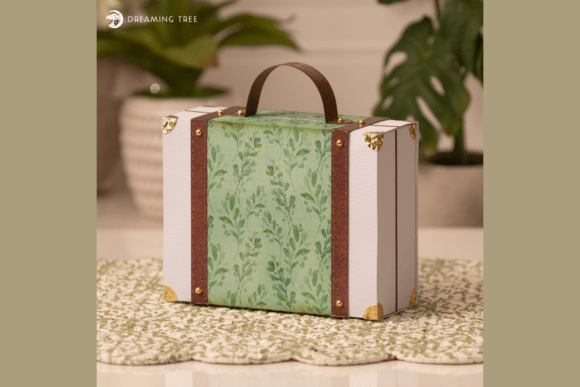
Suitcase Box SVG: A 3D Design Asset for Creative Marketing
As a seasoned brand designer and content marketer, I’m always on the lookout for design assets that can elevate a campaign’s visual appeal without compromising professionalism. When I first saw the Suitcase Box SVG, I was immediately drawn to its clean lines, playful form, and subtle sophistication. It’s a 3D graphic that blends whimsy with clarity—an essential trait in today’s fast-moving digital landscape where attention is fleeting but impression is lasting.
A Playful Yet Professional Mood for Modern Branding
The Suitcase Box SVG brings a sense of adventure and creativity to any project. Its suitcase shape evokes themes of travel, exploration, and discovery—ideal for lifestyle brands, event promotions, or even product launches with a story behind them. The 3D paper box effect adds depth without complexity, making it feel tactile yet refined. This mood makes it particularly suitable for casual branding, handmade products, and editorial-style content that aims to engage rather than overwhelm.
What stands out is how it balances fun and professionalism. Unlike many 3D objects that lean too heavily into cartoonish aesthetics, this design feels grounded and chic. It suggests quality and thoughtfulness, which is crucial when building audience trust. For marketers and small business owners, that emotional tone can be a powerful tool in creating memorable campaign visuals.
From Social Media to Print: Versatile Use Across Platforms
This 3D SVG design shines in multiple marketing contexts. In social media graphics, it acts as an eye-catching accent for Instagram posts or Pinterest pins promoting travel-themed products, party favors, or DIY kits. It also integrates well into Canva templates, offering a ready-to-use element that enhances both visual hierarchy and overall brand identity.
- Packaging design: As a decorative element in packaging inserts or labels, it reinforces the idea of something special being inside. It’s especially effective for handmade products or artisanal goods where presentation plays a big role.
- Email banners: Use it subtly in email headers to add personality while maintaining a professional layout. It helps create a stronger first impression, especially for newsletters around seasonal offers or new product drops.
- Digital ads: Whether you're running Facebook ads or Google Display campaigns, the Suitcase Box SVG can serve as a central visual motif. It works best in hero graphics or promotional banners where the asset supports the main message without overshadowing it.
- Editorial design: Incorporate it into blog headers or magazine-style layouts to illustrate travel-related topics or creative processes. Its versatility ensures it doesn’t disrupt the flow of information while enhancing the page's creative design appeal.
Supporting Campaign Goals with Strong Visuals
One of the most valuable aspects of the Suitcase Box SVG is its ability to support key marketing goals. It contributes to a stronger recognition by acting as a consistent visual anchor across different touchpoints. Whether used in a design bundle for a client’s content kit or as part of a printable promotion, it helps maintain visual consistency—a cornerstone of professional branding.
Its structure allows for clear product presentation, especially when showcasing items like travel accessories, luggage tags, or gift sets. The 3D effect gives a sense of realism that PNG clipart often lacks, making it a strong choice for digital product visuals and merchandise displays.
Where Suitcase Box SVG Works Best
The Suitcase Box SVG thrives in environments where a touch of creativity meets strategic communication. Here are some of the top use cases:
- Hero graphics: Add a dynamic element to landing pages or website headers.
- Campaign headers: Use it to introduce new collections or seasonal offerings.
- Branded templates: Integrate it into social media covers or blog post headers for a cohesive look.
- Promotional banners: Stand out in digital ads or retargeting pop-ups with a stylish visual hook.
- Content bundles: Include it in downloadable resources for your audience to reinforce your creative marketplace presence.
Its adaptability means it can work across platforms—from high-resolution print materials to scalable digital formats. The clean silhouette and minimal detailing make it ideal for small business branding projects that need to stay fresh and engaging without overloading the viewer.
Where Caution Is Advised
While the Suitcase Box SVG is incredibly versatile, there are situations where it may not be the best fit. In formal corporate branding, its playful nature might clash with a more conservative aesthetic. Similarly, avoid using it in text-heavy ads or dense information layouts, where it could distract from the core message.
Also, consider the context of small mobile graphics. If the asset is too large or detailed, it may lose clarity at lower resolutions. Always preview it on mobile screens before finalizing a design. Additionally, if your brand leans toward minimalism, ensure the suitcase complements your style rather than competing with it. Finally, when placed on low-contrast backgrounds, the 3D depth may become less pronounced, so test variations for optimal visibility.
Design Tips for Optimal Performance
Here are some practical steps to maximize the effectiveness of the Suitcase Box SVG in your graphic design asset toolkit:
- Test with your brand palette: Run the SVG through your color scheme to see how it reacts. Does it enhance your colors or mute them? Adjust accordingly.
- Check black-and-white versions: Ensure the design remains recognizable and visually appealing in grayscale for print or accessibility purposes.
- Place it in real campaign mockups: See how it performs alongside other design elements and messaging. This will help you evaluate its impact on audience perception.
- Preview on mobile: Confirm that it scales well and doesn’t distort or pixelate on smaller screens.
- Test readability in small sizes: If you plan to use it in social media thumbnails or app icons, verify that it retains its shape and detail.
- Compare against competitors: Analyze how similar brands use 3D objects in their visuals. Can this suitcase help you stand out?
- Pair with fonts: Try it with serif, sans-serif, script, handwritten, and display fonts to find the perfect match for your brand voice.
- Review spacing and balance: Make sure it doesn’t overpower the composition. Use it as a supporting visual rather than the focal point unless the intent is to highlight it.
- Confirm commercial licensing: Before using it in paid campaigns, client work, or branded materials, ensure it has a proper commercial license.
Why Suitcase Box SVG is a Valuable Addition to Your Toolkit
In an era where visual storytelling is king, having a design asset like the Suitcase Box SVG can give your brand a competitive edge. It’s not just about looking good—it’s about conveying the right message at the right time. Whether you’re designing travel-themed gifts, refreshing your social media visuals, or building a cohesive brand identity, this SVG offers a unique way to connect with your audience.
For content creators, bloggers, and online coaches, it provides a fresh angle for lead magnets or editorial illustrations. Its 3D appearance gives it a modern twist, aligning perfectly with trends in digital content marketing. And for those selling in creative marketplaces, it’s a great way to showcase your design skills and offer clients a premium-looking illustration or clipart option.
Final Thoughts for Marketers and Designers
Overall, the Suitcase Box SVG is a standout 3D object that bridges the gap between casual charm and professional polish. It’s the kind of design asset that can subtly influence emotional connection while staying true to your brand communication strategy.
If you’re launching a new product line, organizing a themed event, or simply looking to inject more character into your marketing visuals, this SVG deserves a spot in your library. Just remember to use it thoughtfully—let it enhance your message rather than complicate it. With the right approach, it can become a signature element in your visual content creation process, helping you craft campaigns that are both stylish and strategically sound.