Retro Sound Card SVG: A Nostalgic Embroidery Design Worth Stitching
As an embroidery designer with years of experience in creating and reviewing digital embroidery files, I often come across designs that look great on screen but fall flat when stitched onto fabric. The Retro Sound Card SVG caught my eye not just for its visual appeal, but for how it actually performs in real-world embroidery projects. Let me walk you through my evaluation process and share some practical insights to help you decide if this design is right for your next project.
First Impressions: Bold and Full of Personality
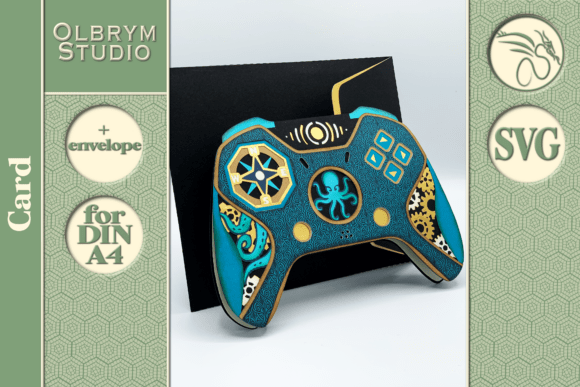
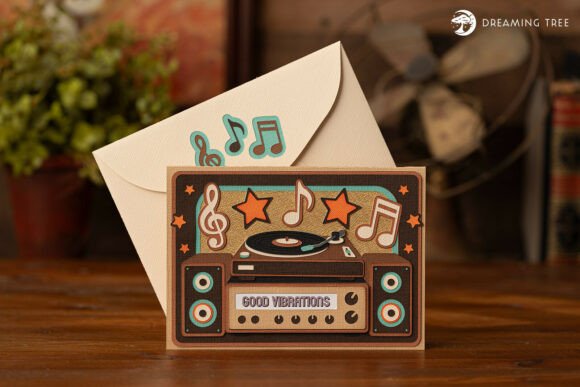
The first thing that stands out about the Retro Sound Card SVG is its layered structure and nostalgic theme. It feels like a love letter to the golden era of vinyl records and classic audio systems, complete with stylized speakers, turntables, and musical notes. The design uses a mix of satin stitch and fill stitch to create depth and dimension, making it feel more like a 3D illustration than a flat graphic. This kind of detail can really elevate a handmade product or custom apparel piece, especially when you're aiming for a vintage or retro aesthetic.
I found the layout well-balanced — elements are spaced out enough to avoid overcrowding, yet close enough to maintain cohesion. The color palette includes warm, muted tones that evoke a sense of timelessness. While the original SVG file might suggest specific thread colors, I recommend always testing thread color contrast against your fabric choice before committing to a production run. This will ensure the design reads clearly and looks as intended after stitching.
Real-Life Use Scenarios: Where This Design Shines
Let’s say I’m preparing a batch of custom sweatshirts for a boutique pop-up shop. The Retro Sound Card SVG would be perfect for adding a unique touch to hoodies, especially those aimed at music lovers or fans of vintage culture. Its boldness makes it ideal for front-center placement, and the layered details give it a tactile richness that people notice when they run their hands over the fabric.
This design could also work beautifully on tote bags, where the texture of the embroidery adds both visual interest and durability. For handmade products like aprons or decorative pillows, the 3D effect becomes even more pronounced, making the item stand out in a craft fair or Etsy listing. The visual personality of the design lends itself well to personalized gifts, such as embroidered baby blankets or holiday-themed items with added text or names.
If you’re running a craft business or managing a small shop, consider using this SVG as part of a seasonal collection. Think holiday gifts with festive tweaks, or a nursery decor line for young music enthusiasts. Its charm and character make it versatile for commercial embroidery applications, too — as long as you keep the licensing terms in mind.
When to Use Caution: Practical Limitations to Consider
While the Retro Sound Card SVG has a lot going for it, there are certain scenarios where it may not perform optimally. One key consideration is hoop size. If you're working with smaller hoops or limited space, you may need to scale the design down, which could affect the visibility of intricate details. Always confirm the recommended hoop size from the seller before starting any large-scale project.
Textured fabrics, such as canvas or denim, can pose challenges due to the density of stitches. You’ll want to use a good quality stabilizer to prevent puckering or distortion. Similarly, thin or stretchy materials like rayon or spandex might struggle to hold up under the weight of dense areas in the design. These are all important factors to test with scrap fabric before moving into production.
For dark fabric backgrounds, the design's muted tones might lose their impact unless paired with bright or contrasting thread colors. In these cases, I’d suggest experimenting with white or pastel threads to enhance visibility. Also, watch out for curved surfaces like caps or hats — the layered nature of the design may not translate well to non-flat areas without careful adjustment.
Impact on Visual Appeal and Customer Perception
What sets the Retro Sound Card SVG apart is how it affects the overall visual appeal of the finished product. When stitched correctly, it gives a tangible sense of nostalgia that customers respond to emotionally. This emotional connection can boost product value and increase customer trust, especially in a market where authenticity and craftsmanship matter.
On personalized gifts or handmade products, this design can significantly improve the perceived giftability of an item. Whether it's a custom embroidered patch for a music-themed backpack or a sweatshirt embroidery for a child's winter wear, the design feels intentional and thoughtful. As an Etsy seller or digital product creator, you can use this SVG to build brand consistency by incorporating it into packaging, tags, or even printable mockups for digital listings.
In commercial settings, the design helps with recognition and professionalism. A well-stitched Retro Sound Card can serve as a signature motif for a store or a small shop product line. Just make sure the final output maintains clarity and doesn’t become muddled due to poor execution.
Designer Notes: Best Practices for Using This SVG
- Test on scrap fabric: Before stitching onto your final product, run a test on a similar material to check for stitch behavior and overall appearance.
- Review stitch density: Pay attention to how tight or loose the stitches are in the densest parts of the design. Adjust as needed to avoid fabric distortion.
- Confirm hoop size: Make sure the design fits within your chosen hoop dimensions without being stretched or compressed unnaturally.
- Inspect small details: Look closely at corners and fine lines in the SVG to ensure they stitch cleanly and don't get lost in bulkier sections.
- Use black and white mockups: This helps you evaluate how the design will look regardless of thread color choices, especially useful for dark fabrics.
- Check fabric compatibility: Avoid using this design on thin or stretchy materials unless you’ve tested it thoroughly.
- Use proper stabilizer: Especially important for achieving clean edges and maintaining shape during the embroidery process.
- Verify license for commercial use: If you plan to sell finished products or digital embroidery files, confirm the licensing allows for it. Some SVGs are strictly for personal use only.
Final Thoughts on Project Integration
Overall, the Retro Sound Card SVG is a strong addition to any embroidery project that benefits from a rich, dimensional design. It brings a level of nostalgic flair that can differentiate your handmade products in a competitive market. However, like any detailed machine embroidery design, it requires care and attention to detail to achieve the best results.
For hobbyists and creative entrepreneurs, this SVG offers a fun way to add personality to everyday items. For apparel decorators and digital product sellers, it can be a valuable asset when used thoughtfully. Just remember to consider fabric type, hoop size, and stitch behavior before finalizing your embroidery file setup.
If you're looking for a design that bridges the gap between Pop-Up Cards and 3D SVG embroidery, the Retro Sound Card SVG is worth exploring. But don’t take my word for it — try it yourself, and let your instincts guide you. After all, the best embroidery comes from knowing what works, not just what looks good.