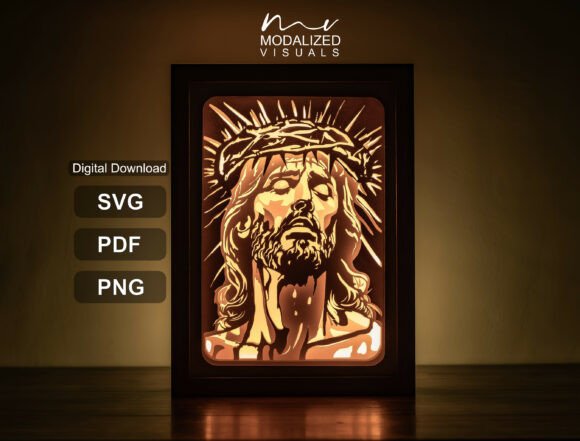
Jesus Lightbox Paper Cut Shadow Box Review
As an experienced embroidery designer and product reviewer, I’ve had the chance to evaluate countless digital embroidery files—each with its own character, purpose, and potential for real-world application. When I first opened the Jesus Lightbox Paper Cut Shadow Box file, I was struck by how it immediately conveyed a sense of serenity and intentionality. This isn’t just another religious design; it’s one that brings quiet beauty and spiritual resonance into any project.
A Design That Brings Light Into Your Work
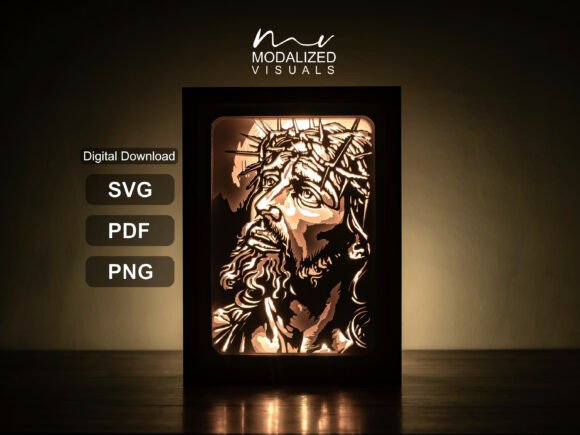
The layered paper-cut aesthetic of this shadow box gives it a unique 3D quality that feels both delicate and impactful. The imagery is centered around a lighted figure of Jesus, which naturally draws attention and creates a focal point. It’s not overly detailed, but there’s enough texture in the cut lines and shading to give it dimension without overwhelming the fabric.
This kind of visual storytelling is perfect for those of us who create custom apparel or personalized gifts. Whether you're designing a holiday gift or something for a boutique line, the theme of peace and hope resonates across many demographics. The mood is calm and reverent, making it especially fitting for baby items, nursery decor, or even small shop merchandise aimed at faith-based communities.
Real-World Applications and Project Fit
I often test designs on common products like tote bags, sweatshirts, and aprons to see how they translate from screen to fabric. The Jesus Lightbox Paper Cut Shadow Box has a strong presence when stitched onto cotton or linen blends—its subtle shadows and layered look really come alive. For instance, when applied to a soft organic cotton tote bag, the design adds a touch of elegance and meaning that elevates the entire product.
If you're an Etsy seller or run a craft business, consider using this as part of your holiday embroidery collection. Its gentle glow and intricate paper-cut feel make it ideal for seasonal items like tea towels, pillow covers, or decorative accents on blankets. It also works well as an embroidered patch for denim jackets or backpacks, where the design can be admired up close.
One thing I appreciate about this design is its versatility. While it clearly leans into a sacred theme, it doesn’t shout—it invites. That makes it suitable for both personal and commercial projects. If you're looking to add meaningful design assets to your portfolio, this could be a great fit.
When to Use with Care
Despite its charm, the Jesus Lightbox Paper Cut Shadow Box isn't a one-size-fits-all solution. Because of its layered detail and the way it uses stitch density to mimic depth, it requires some careful consideration before use:
- Small hoop sizes: The design’s layout is best suited for larger formats. If you attempt to shrink it too much, key details may become lost or distorted.
- Textured fabrics: Fabrics like canvas or felt might muddle the fine lines of the shadow box effect. Test it out on smooth surfaces first.
- Thin or stretchy materials: Delicate or elastic fabrics (like knits) can cause the fill stitches to pucker or the satin edges to fray if not stabilized properly.
- Dark fabric backgrounds: While thread color contrast is always important, dark fabrics will reduce the visibility of the lighter, more transparent areas of the design. Consider using metallic threads or adding highlights with additional elements.
- Curved surfaces: Embroidering this design on caps or curved garments may lead to stretching or misalignment. Always check the final placement carefully.
- Dense stitch areas: The design's depth relies on varying stitch densities. On high-motion machines or with improper tension, these areas might show through unevenly.
Design Notes for Best Results
Before stitching this design onto a finished product, I recommend doing the following:
- Test on scrap fabric: Try it out on a few different materials to see how the layers and shadows behave post-stitching.
- Check thread color contrast: Since the design uses multiple shades to create a sense of light, ensure the colors you choose stand out against your chosen fabric.
- Review stitch density: Look closely at how the software handles the fill stitches and running stitch outlines. Adjustments may be needed for optimal appearance.
- Confirm hoop size: Make sure your machine and hoop can accommodate the full design without distortion.
- Inspect small details: The paper-cut style includes fine lines and corners. These can be tricky if not stitched with precision.
- Use proper stabilizer: Especially for lightweight or stretchy materials, a good backing will help maintain shape and clarity.
- Test in black and white mockups: This helps visualize how the design will look regardless of fabric color.
- Compare light and dark backgrounds: See how the design adapts and whether adjustments are necessary for legibility.
- Verify licensing: If you plan to sell finished products or digital embroidery files, confirm the terms of use so you’re compliant and protected.
Visual Appeal and Customer Reception
From a customer perspective, this design stands out for its thoughtful craftsmanship. The layered shadow box gives it a handcrafted feel, which appeals to buyers who value authenticity in handmade products. As a machine embroidery design, it maintains a balance between complexity and simplicity, allowing it to feel premium without being over-the-top.
On tote bags and sweatshirts, the design becomes a statement piece. It’s not loud, but it carries weight. In a boutique setting, it can serve as a signature item for customers seeking something meaningful yet elegant. The visual personality of the design supports both spiritual and secular aesthetics, depending on the surrounding elements you pair it with.
For embroidery project planning, think about how the design interacts with other elements. Would it work as a central motif on a sweatshirt embroidery? Absolutely. But if you're working with a limited space, such as a cap or a small patch, you may need to simplify or adjust the layout.
Professional Value and Brand Consistency
Incorporating the Jesus Lightbox Paper Cut Shadow Box into your handmade product lineup can enhance your brand’s visual consistency, especially if you focus on faith-inspired or minimalist themes. The design’s clean lines and intentional composition speak to a professional standard that can increase product value and customer trust.
It’s also highly giftable. Whether as a personalized item for a client or a ready-made offering for your craft fair products, this design can evoke emotion and appreciation. Buyers are more likely to engage with products that tell a story—and this one does that beautifully.
However, don’t underestimate the importance of presentation. A poorly stabilized stitch or mismatched thread colors can detract from the design’s elegance. Always aim for precision, especially in the corners and layered sections, to preserve its intended look.
Where This Design Shines
Here are some of the best places I’ve found the Jesus Lightbox Paper Cut Shadow Box to perform well:
- Custom apparel: T-shirts, sweaters, and hoodies benefit from the design’s bold yet refined look.
- Baby clothes and nursery decor: The peaceful imagery fits perfectly in this category, especially on onesies or wall art.
- Holiday gifts: Stitch it onto ornaments, pillow covers, or greeting cards for a special touch during the season.
- Personalized gifts: Combine it with names or dates for a heartfelt keepsake.
- Printable mockups: Showcase it in digital format to preview how it’ll look on various items before production.
- Commercial embroidery: If you have the right permissions, it can be a valuable addition to your digital product offerings.
Final Thoughts for the Practical Designer
After spending time with the Jesus Lightbox Paper Cut Shadow Box, I’d say it’s a design that deserves a place in your library—if used thoughtfully. It’s not just about what looks nice on screen; it’s about how it behaves in real-life stitching scenarios and what message it sends to your audience.
As a digital embroidery file, it offers a lot of creative flexibility. You can adapt it to match your brand’s color palette or combine it with other motifs to create cohesive collections. Just remember to respect its structure and avoid overcrowding it with unnecessary elements.
So whether you're an apparel decorator aiming to add depth to your next batch of totes, or a small business owner crafting bespoke holiday gifts, take the time to understand the nuances of this design. With the right preparation, it can bring a quiet moment of light and faith into your work—and your customers’ lives.