3D Mini Puzzle Decor Laser Cut for Signs: A Versatile Design Asset
As a professional graphic designer with years of experience in crafting visual concepts for clients across various industries, I’m always on the lookout for design assets that bring creativity and functionality to the table. Recently, I came across the 3D Mini Puzzle Decor Laser Cut. Ship SVG, and I wanted to take a closer look at how it could perform in real-world client projects.
First Impressions: Playful and Modern
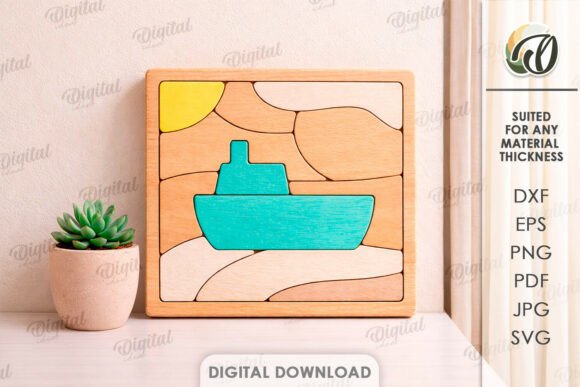
The 3D Mini Puzzle Decor Laser Cut. Ship SVG immediately caught my eye with its whimsical yet clean aesthetic. It’s a laser-cut sign design that mimics a mini puzzle piece, adding depth and dimension through clever layering. The ship motif adds a nautical or adventurous twist, making this asset ideal for brands or products with a creative, playful, or thematic identity.
This design feels like a perfect fit for handmade businesses, boutique product lines, or even seasonal campaigns. The visual mood is light-hearted but still polished enough to maintain a sense of professionalism. It doesn’t scream “cute,” but rather offers a subtle charm that can elevate the overall tone of your design work.
Where This Design Asset Shines
I tested the 3D Mini Puzzle Decor Laser Cut. Ship SVG across multiple project types to see how it would adapt. Here are the areas where it performed exceptionally well:
- Hero graphics: When placed as a central element on posters or flyers, the 3D effect adds a tactile quality that draws attention without overwhelming the layout.
- Product mockups: Especially useful for packaging or signage designs, the layered nature of the puzzle pieces gives a dimensional feel when rendered in 3D software or layered Photoshop files.
- Printable wall art: The design works beautifully as part of a larger printable collection. Its intricate yet balanced structure makes it suitable for home décor, retail spaces, or event venues.
- Themed collections: If you're working on a campaign around puzzles, games, or childhood nostalgia, this SVG design fits right in and enhances the narrative.
- Editorial design: For magazines or blogs covering topics like DIY, crafts, or lifestyle, the design adds a decorative flair that complements the content visually.
- Web design accents: Used sparingly in website headers or background patterns, it introduces texture without disrupting user experience.
- Etsy product listings: As a clipart-style asset, it's great for creating cohesive branding across product images, such as stickers, tags, or custom labels.
- Cricut projects: Being an SVG file, it easily integrates into Cricut designs for personalized items like greeting cards or canvas prints.
Practical Use Cases for Real Projects
Let’s break down how this design could support different aspects of a design workflow:
- Brand identity elements: The ship and puzzle theme can be incorporated into logo variations or brand icons for a small business with a focus on exploration, creativity, or playfulness.
- Packaging details: Think wooden boxes, gift tags, or promotional signs where a laser-cut pattern would add character and visual interest.
- Merchandise design: When applied to tote bags, mugs, or t-shirt templates, it brings a unique artistic touch that stands out in crowded marketplaces like Etsy or print-on-demand platforms.
- Digital ads and social media posts: The design works well as a supporting visual element in Pinterest pins, Instagram stories, or Facebook banners—especially when paired with minimal text and a soft color palette.
- Canva templates: Integrating it into Canva layouts helps create more engaging and dynamic templates for digital sellers looking to streamline their creative process.
Design Considerations Before Using It Commercially
Before recommending this asset to a client, there are several key factors I’d consider:
- File format and editability: As an SVG design, it should allow for easy scaling and editing within vector-based tools like Adobe Illustrator or Inkscape. Always confirm if the design includes PNG transparency options for layered compositions.
- Contrast and legibility: Because the design has fine lines and overlapping shapes, it’s important to test it against both light and dark backgrounds. Low contrast can make the asset appear muddy or unclear.
- Size sensitivity: While the large-scale presentation looks impressive, reduce the size slightly and assess whether the puzzle detail remains visible and impactful. Some assets lose clarity at smaller dimensions, which can affect readability in logos or buttons.
- Color versatility: Try rendering the design in black and white to ensure it maintains its shape and meaning without relying on color cues. This is especially important for printed materials or grayscale displays.
- Font pairing: I tested the design alongside serif, sans-serif, script, and display fonts. It pairs best with handwritten or modern sans-serif styles that match its playful vibe. Avoid overly formal or heavy fonts unless the context demands a stronger visual hierarchy.
- Commercial licensing: Since this is a digital product (not physical goods), it’s crucial to verify the commercial license terms before using it in client-facing materials or selling finished products. Not all free assets allow full commercial use, and missing this step can lead to legal issues later on.
When to Use It Carefully
While this design has a lot of potential, there are situations where it might not be the best fit:
- Minimalist branding: The intricate puzzle shapes may clash with a clean, no-frills visual approach. Clients who want a sleek, modern brand identity might find it too busy.
- Professional corporate materials: Unless the brand specifically embraces a creative or educational tone, the playful nature of the design may not align with more traditional industries like finance or law.
- Crowded layouts: Overusing the asset or placing it in already complex visuals can dilute the message and reduce the effectiveness of the design.
- Low-contrast environments: On muted or pastel backdrops, the design needs careful placement to avoid blending in. Test it in various scenarios to ensure it remains legible and noticeable.
Emotional Appeal and Audience Engagement
The 3D Mini Puzzle Decor Laser Cut. Ship SVG taps into a sense of curiosity and nostalgia. It evokes imagery of childhood memories, puzzle-solving, and adventure—all of which can resonate deeply with audiences. When used in a marketing visual or editorial layout, it encourages viewers to pause and engage with the content, especially if the overall concept aligns with themes like learning, creativity, or exploration.
For creative marketplace sellers and print-on-demand entrepreneurs, this kind of emotional appeal is invaluable. It helps differentiate their offerings from generic stock designs and builds a stronger connection with customers.
Visual Trust and Brand Consistency
Incorporating a laser-cut design like this one can enhance visual trust by showing attention to detail and craftsmanship. However, maintaining brand consistency is essential. If a brand already uses geometric or abstract elements, this asset will likely blend in well. But if the existing identity leans heavily toward simplicity or bold typography, the puzzle motif might need to be scaled back or reinterpreted to avoid visual dissonance.
Why It Works for Professional Designers
What sets this asset apart is its balance between fun and functionality. It doesn’t come off as just another clipart illustration—it has a structured layout that allows for integration into serious design work. Whether you’re building a design bundle for resale or crafting a custom brand identity, the 3D Mini Puzzle Decor Laser Cut. Ship SVG offers a fresh perspective without compromising on quality.
Additionally, since it’s a digital product, it’s incredibly convenient for quick turnaround projects. You don’t have to wait for delivery or deal with inventory—just download the zip folder with one design and get to work.
Final Thoughts: A Creative Asset Worth Adding to Your Toolkit
The 3D Mini Puzzle Decor Laser Cut. Ship SVG isn’t a one-size-fits-all solution, but for the right project, it can be a game-changer. It’s particularly effective in signage and laser cutting applications where texture and visual depth matter. Whether you’re designing for a local event, launching a new line of handmade products, or creating themed merchandise for a niche audience, this asset adds a layer of thoughtful creativity.
Still, as with any design choice, it’s important to preview it in context. Place it on real product mockups, experiment with different font pairings, and ensure it meets the needs of your client’s brand. When done right, it can help your final deliverables feel more polished and emotionally resonant.
If you're a designer, marketer, or small business owner seeking to inject personality into your next project, give the 3D Mini Puzzle Decor Laser Cut. Ship SVG a try—but always review the commercial license and test its performance in your specific use case first.