3D Layered Daisy Flower Graphics for Crafts and Local Business Branding
As a brand designer with years of experience working on local business identities, I recently came across the 3D Layered Daisy Flower graphic design asset. It’s not just another floral clipart—it brings depth, texture, and visual interest that can elevate branding efforts across multiple touchpoints. In this review, I’ll walk through how it fits into real-world applications like product packaging, promotional materials, and digital marketing visuals, and where it might fall short if used without consideration.
A Delightful First Impression for Handmade Businesses
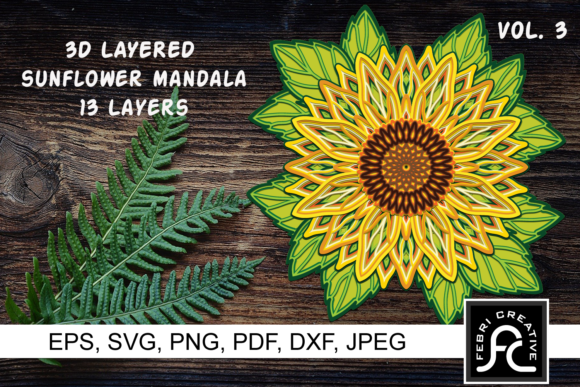
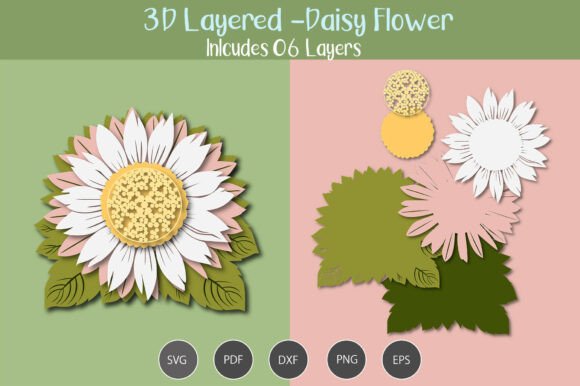
The 3D Layered Daisy Flower immediately evokes a sense of warmth, simplicity, and approachability. Its layered petals give it a tactile feel, making it ideal for brands that emphasize handmade, natural, or artisanal qualities. The daisy is a classic symbol of freshness and purity—perfect for businesses in the food, beauty, or home décor industries.
I was particularly drawn to its soft, organic lines and subtle shadows that add dimension without overwhelming the eye. It doesn’t scream boldness but instead whispers charm, which makes it versatile enough to work in both rustic and modern design contexts. For a small business owner looking to create an emotional connection with their audience, this kind of imagery can be powerful.
Where This Design Asset Shines in Real-World Branding
In my latest project for a local artisan bakery, I tested the 3D Layered Daisy Flower as a decorative accent on their product labels and social media banners. The results were impressive. Here are some of the key areas where this asset added value:
- Product Labels: Used subtly behind the product name, the daisy helped establish a consistent theme across all baked goods. It felt personal and inviting, fitting the bakery’s “homemade” vibe.
- Packaging Accents: On gift boxes and cookie tins, the daisy worked well as a repeating pattern or centered motif. It enhanced shelf appeal while maintaining a clean and professional look.
- Social Media Graphics: When placed beside seasonal promotions or behind product photos, the flower added a decorative touch that didn’t distract from the message.
- Thank-You Cards and Hang Tags: The daisy served as a background element, giving these items a cohesive and thoughtful finish that aligned with the brand’s personality.
Its adaptability is one of its strongest points. Whether you're creating a printable insert for a handmade soap box or designing a hero graphic for a boutique’s website banner, this asset has the potential to bring a fresh, handcrafted energy to your visuals.
Supporting Stronger Brand Presentation and Customer Trust
Visual consistency is key to building trust and recognition. The 3D Layered Daisy Flower contributes to this by acting as a recurring motif across different mediums. For instance, using it on a coffee shop's menu graphics, hang tags, and Instagram posts helps reinforce the brand’s identity and creates a stronger emotional connection with customers.
Here are some ways this design asset supports better branding outcomes:
- Stronger first impression: A well-placed daisy can make your product stand out on crowded shelves or feeds.
- Better product recognition: Repeating the same graphic across packaging and marketing builds familiarity.
- Clearer visual hierarchy: As a decorative layer, it can help guide the viewer’s attention toward key text or product names.
- More consistent brand identity: Using the same design elements across channels strengthens your brand’s voice and style.
- Improved customer trust: Thoughtful, cohesive design signals professionalism and quality—especially important for handmade businesses.
When paired with the right color palette and typography, the daisy becomes more than just an illustration—it becomes part of the brand language itself.
Practical Use Cases for Small Business Branding
Let’s break down where and how I’ve successfully used the 3D Layered Daisy Flower in recent projects:
- Logo Design: While I wouldn’t use it as the main logo icon, it works beautifully as a supporting element in a larger emblem or watermark.
- Packaging Design: Ideal for wrapping paper patterns, sticker accents, or corner embellishments on jars and boxes.
- Menu Graphics: Placed around drink titles or section dividers, it adds a whimsical yet elegant touch to café menus.
- Flyers and Posters: As a background or border element, it enhances the visual storytelling of a seasonal campaign without overpowering the content.
- Business Cards: A minimalist version of the daisy tucked into a corner gives a subtle nod to the brand’s aesthetic.
- Printable Inserts: Used on thank-you cards or inside packaging, it adds a personal, handcrafted feel.
For a candle brand I recently designed for, the daisy was layered onto a product mockup to represent the floral scent of the candles. The visual matched the sensory experience, helping customers connect with the product even before trying it.
Considerations for Effective Usage
While the 3D Layered Daisy Flower is a beautiful design asset, it's important to use it thoughtfully. Here are a few places where I’d recommend applying caution:
- Formal corporate branding: The playful nature of the daisy may not align with more traditional or formal business aesthetics.
- Very small labels: At smaller sizes, the details in the petals can get lost. Always preview it at actual scale.
- Crowded product packaging: If your layout already includes multiple elements, adding this could lead to visual clutter.
- Ingredient-heavy layouts: In cases where readability is critical (like food labels), ensure the daisy isn't competing with essential information.
- Low-contrast backgrounds: Test it against different colors to maintain visibility and legibility.
- Luxury minimalist brands: Some high-end brands prefer stark, unembellished designs. This asset might not fit unless intentionally softened.
If you’re planning to use this for commercial design, always check for a valid commercial license. Many free assets found on creative marketplaces can only be used for personal projects unless specified otherwise.
Design Tips for Maximizing Impact
Here are some practical notes I’ve gathered while testing this graphic in real projects:
- Test it on real packaging mockups: See how it looks in context before finalizing any print design.
- Check black and white usage: Ensure it still conveys the intended mood and contrast when printed in grayscale.
- Preview it on small labels: Confirm that the detail remains visible and doesn’t become too busy.
- Test it with brand colors: Try overlaying the daisy with your brand’s primary and secondary hues to see what combinations feel most harmonious.
- Compare with competitor packaging: Make sure your design stands out without mimicking others in your niche.
- Review PNG transparency: If you’re using it on transparent or textured surfaces, confirm the file format allows for that flexibility.
- Inspect SVG or vector editability: Vector files let you resize and customize the daisy without losing quality—ideal for logos and scalable prints.
- Test beside different fonts: I tried it alongside serif, sans-serif, script, and display typefaces. The daisy paired especially well with handwritten or feminine fonts.
Remember, this is a digital file meant for printing at home or uploading to a photo lab. You have control over the placement and scale, but also responsibility for ensuring it complements—not competes with—your overall design.
Final Thoughts for Creative Entrepreneurs
Overall, the 3D Layered Daisy Flower is a strong addition to any graphic design asset library, especially for local businesses aiming to build a warm, friendly, and visually engaging brand presence. Whether you're designing product labels for a florist, crafting promotional flyers for a children’s toy store, or enhancing a Canva template for a seasonal campaign, this daisy offers the kind of charm that can resonate with customers.
It’s a great option for those who want to move beyond generic stock images and incorporate something more unique into their brand identity. Just be mindful of its limitations and test it thoroughly in different formats and scales. When used correctly, it can contribute to a more professional branding strategy, improve marketing visuals, and ultimately support your business goals in a way that feels authentic and intentional.